Revolutionize Your Supply Chain with Load Carrier Tracking: How It's Done Today
Monitor load carriers more efficiently ✓ Optimize supply chain management ✓ industrial tracking technology ✓ our approach!
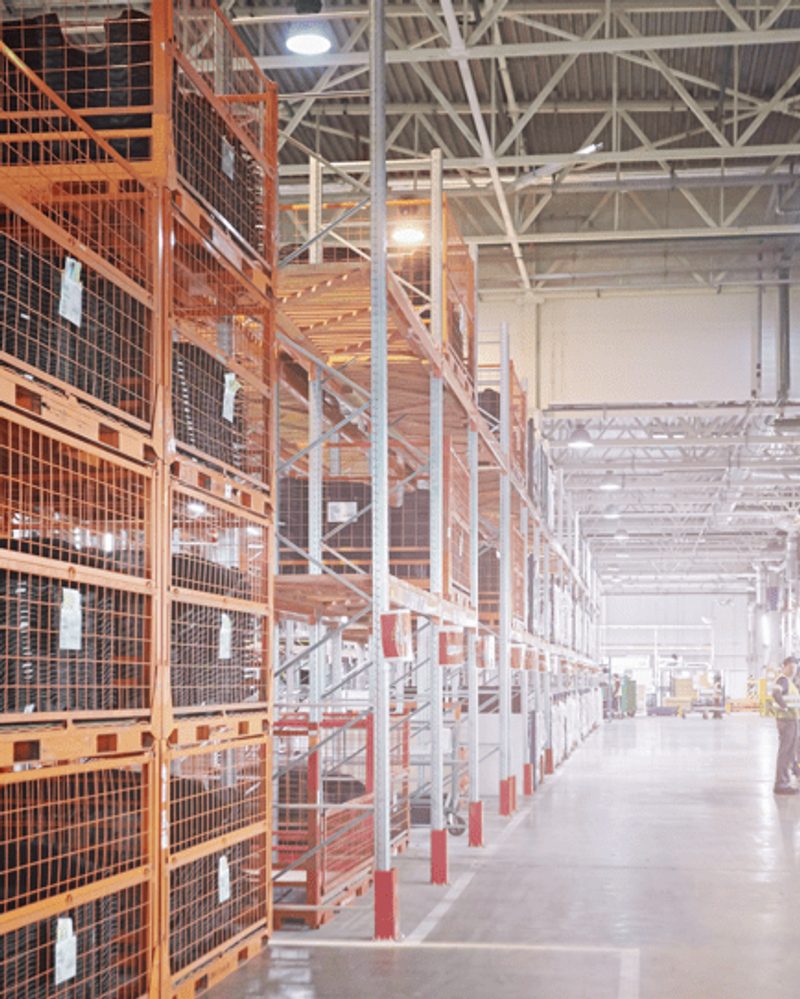
With load carrier tracking or monitoring, a company's goods flows can be significantly optimized today, which not only increases the transparency of transport processes but also improves the efficiency of supply chains. In many companies, the management of load carriers is still not or insufficiently automated.
Typical load carriers include:
- Steel containers
- Mesh boxes
- Pallets and pallet frames
- Stacking and transport racks
- Small, large, and special load carriers
often cause long circulation times or poor utilization due to shortages or surpluses, resulting in search times that lead to downtimes and additional costs for extra load carriers. Inefficient processes due to a lack of knowledge about the condition or location of the load carriers are often the result. But it doesn't have to be that way: Those who use modern load carrier tracking can not only better control but also optimize logistical processes.
In a modern load carrier tracking system, it is the combination of modern technology (hardware) and intelligent software that provides companies with significant advantages today. These include, for example, detailed information at any time about:
- Travel times
- Downtimes
- Loading times
- Compliance with approved geographical zones (theft control)
- Check whether load carriers have been loaded onto the correct vehicle
- Control over the whereabouts of the load carriers
- Delivery control of the load carriers (Have they already been delivered to the destination?)
- Vehicles still on schedule
Those who monitor their load carriers in this way avoid uncertainties, unnecessary delays, and do not have to pick up the phone to make endless search and control calls.
[elementor-template id="25837"]
Why is optimized supply chain management important?
Those who optimize their supply chain management – and load carrier tracking is an important tool for this – can reduce the costs of the logistics chain and thus help keep production flexible and demand-oriented, as well as continuously optimize costs. To ensure that problems in the value chain have as little impact as possible on the end customer, perfect control of the goods and information flows along the entire supply chain is required.

What can be achieved through optimal supply chain management?
Optimal supply chain management not only tracks the information on how a product is created and reaches the end customer's shelf but also provides feedback, such as:
- Customer feedback on specific goods or deliveries
- Problems in distribution
- Production requests to suppliers
Companies that successfully manage supply chains often achieve the following goals:
- Cost reduction
- Acceleration of deliveries up to same-day delivery
- Enabling innovations
- Efficiency improvement
- Optimization of information flow
- Better management of cash flows
- Improvement of relationships with customers and suppliers
Prerequisite for good supply chain management:
Only when all links in the value chain work together optimally does comprehensive knowledge of the joint processes emerge. Load carrier tracking is an essential building block for this. This means that one is no longer dependent on assumptions or guesses as to why certain processes do not work, but can monitor and check the processes in detail.
To improve supply chains, constant communication between the partners involved is important. Only those who exchange information about strengths and weaknesses can optimize suboptimal aspects.
Speed along the supply chains also requires responsibilities: In supply chain management, responsibilities and expectations must be clearly defined. Binding agreements and specifications, as well as their control, lead to success.
Only those who always know where the parts needed for the production process are located can ensure smooth and automated material supply for production. With optimized load carrier tracking, every container with raw materials or semi-finished products needed for further processing can be tracked precisely, minimizing production and delivery delays significantly.
Delivery promises to customers can be kept through load carrier tracking
Those who have created real-time transparency through load carrier tracking can not only reduce buffer stocks and save personnel for searching containers, loads, or deliveries but also help keep delivery promises to customers.
What is load carrier tracking?
Logistics in production and distribution cannot do without the typical load carriers. Knowing at all times the condition of these load carriers and where they are located provides significant advantages over competitors who do not know this. This applies to all types of load carriers.
The most common load carriers in the German-speaking area are:
- Euro pallets (European standard EN13698-1)
- Large and small load carriers (GLT/KLT)
- Half and quarter pallets, e.g., also Düsseldorf pallet
- Chemical pallets (CP)
- Mesh boxes with steel frame grid constructions
- Big-Bag for transport and storage of bulk goods
- Intermediate Bulk Container (IBC), e.g., for paints or free-flowing material
- IFCO boxes for fruits and vegetables
By integrating additional technology into the load carrier the load carrier also becomes an information carrier and makes load carrier tracking possible in the first place.
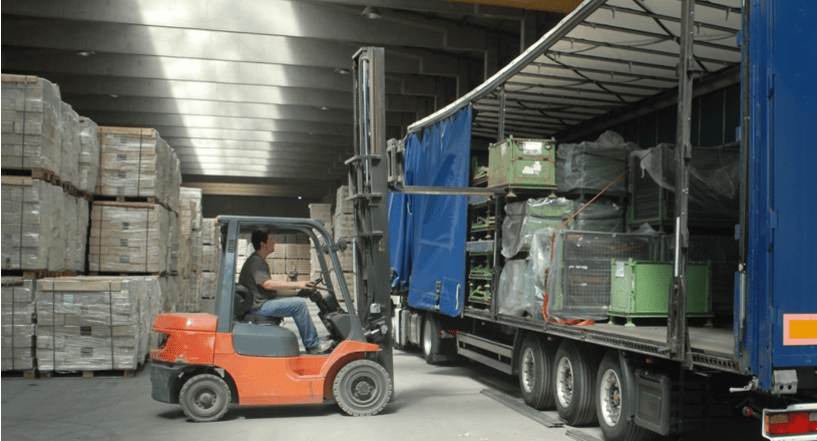
Load carrier tracking enables:
- Overview of the stock of load carriers at any time
- Seamless monitoring of location and condition changes of load carriers and loads
- Improvement of load carrier utilization
- Reduction of load carrier loss
- Locating load carriers
- Coordination of maintenance intervals
However, the decisive factor is not only the integration of the hardware into the load carriers but above all the intelligent networking through software. Software solutions like thingsHub provide entrepreneurs with a platform where they have full control over goods flows, deliveries, and stocks, ensuring smooth production and warehouse management.
What technology is used for load carrier tracking?
Load carrier tracking is carried out by networking information, which is mainly provided by the following technology:
- RFID
- RTLS
- GPS
- BLE
- UWB
- WLAN
These techniques have the advantage that in many places the still existing manual scanning of barcodes can be dispensed with, as the goods receipt and dispatch or storage can be automatically booked in the system. Packages can be loaded onto pallets without manual scanning and processes can be automatically initiated.
Which tracking technology is the best?
There is no best tracking technology or best tracking module. Each system has its justification in certain areas and depending on the use case requirements. While RFID systems allow very precise location tracking but have only a short range and high installation effort, GPS can track load carriers over a large range worldwide without requiring extensive infrastructure. Which system offers the best function in which company area and which systems should possibly be combined should be worked out together with experts to avoid bad investments.
Schedule an expert meeting now
What are the biggest advantages of load carrier tracking?
In companies that already successfully track their load carriers, the following four main advantages are repeatedly mentioned:
- Increased efficiency in tracking and controlling loads and goods flows
- Optimization of inventory and warehouse management
- Cost reductions through better planning and resource allocation
- Increase in customer satisfaction and service improvement
Where can particularly high savings be achieved through professional load carrier tracking?
In many companies, improvements in the double-digit percentage range can be achieved in the following areas:
- Through a higher utilization of load carriers fewer new investments in this area are necessary
- Reduction of load carrier loss
- Reduction of search, inventory, and scanning effort
- Saving coordination effort and obtaining status updates
What must a company do to benefit from the advantages?
The introduction of professional load carrier tracking is a complex undertaking, where the specialists from SmartMakers are happy to accompany companies of all sizes with their experience. Usually, the process is carried out in three phases:
I. Identify which load carriers and load flows are present in the company and where an improvement in data flow could bring significant advantages.
II. Selection and installation of the required hardware.
III. Installation and training of the software, networking with company systems.
The decisive criterion for deriving the greatest benefit from such systems is not a specific RFID chip or a low-cost GPS module, but rather the know-how from many installations that leads to a perfect symbiosis of hardware, software, and existing information technology in the company. If a system is perfectly planned and implemented, cost and competitive advantages arise for the company that make the costs of introducing and operating such technologies fade into the background.
Would you like to dive deeper and learn how intelligent fleet management for load carriers can be realized with IoT? Read more here.
Conclusion:
Successful companies today rely on professional load carrier tracking with the latest technology, which helps reduce costs and optimize processes by gaining additional information. Not operating load carrier tracking or not doing so professionally today means a significant disadvantage compared to the competition. Those who want to achieve high customer satisfaction at competitive prices should be able to track goods flows from suppliers to customers within their own company and thus have all the information necessary for business decisions. Optimized container logistics can already be mapped today with real-time tracking for load carriers. From small load carriers (KLS) to Euro pallets to large load carriers. Knowing where your pallets or containers are and what they are loaded with allows you to gain such great advantages through real-time analysis that competitors who cannot do this are left behind.
The technology required for this is generally very cost-effective in relation to the benefits. Especially in the context of the shortage of skilled workers and the discussion about the climate crisis, the tracking of load carriers is gaining more and more importance: Through the automatic flow of information, personnel can be saved that would otherwise be occupied with search or coordination tasks. In addition, fewer trips are needed through optimizations, saving tons of CO2.