Why Choose BLE Tags for Asset Tracking: Key Benefits Explained
Discover why BLE tags for Asset Tracking are revolutionizing inventory management. Learn more about cost-effective real-time tracking solutions with Bluetooth Low Energy technology.
Imagine walking into your warehouse and instantly knowing the exact location of every high-value asset—without expensive infrastructure or complex systems. This is the power of Bluetooth Low Energy technology. As companies face pressure to optimize their operations, BLE tags for Asset Tracking have emerged as a groundbreaking solution that combines affordability, precision, and easy implementation.
Unlike traditional tracking methods that require significant capital investment, BLE-based Asset Tracking offers enterprise-level transparency at a fraction of the cost. Whether managing a manufacturing floor, hospital equipment, or warehouse operations, understanding how BLE technology transforms your asset management is crucial for competitiveness.
This article explores why BLE asset tags are quickly becoming the preferred choice for efficient, scalable tracking solutions, from real-time capabilities to seamless system integration.
Understanding BLE Technology and Its Role in Asset Tracking
What is Bluetooth Low Energy?
Bluetooth Low Energy (BLE) is a wireless protocol designed for minimal power consumption while maintaining reliable connectivity. Introduced with Bluetooth 4.0, BLE revolutionized IoT by enabling devices to communicate effectively while operating for years on coin cell batteries.
Unlike classic Bluetooth, which is optimized for continuous streaming, BLE transmits small data packets intermittently—perfect for Asset Tracking with BLE, where tags periodically send presence information without draining batteries.
How BLE Tags Enable Asset Tracking
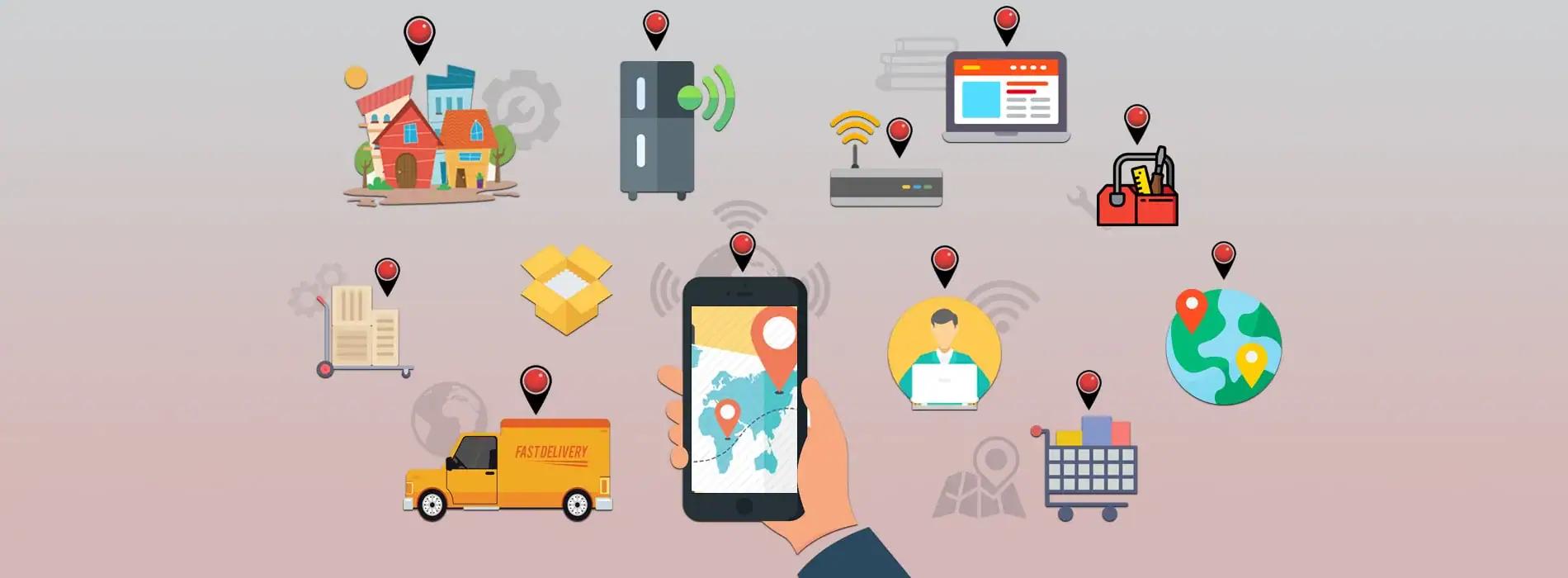
BLE Asset Tracking tags periodically broadcast a unique identifier. These signals are detected by BLE receivers—fixed beacons, mobile devices, or dedicated Gateways—that capture the tag ID and signal strength to determine approximate location. This information feeds into asset management software, creating a dynamic map of real-time asset positions at room or zone level.
Why BLE Tags Are Gaining Momentum
The adoption of BLE-based Asset Tracking has accelerated dramatically. According to ABI Research, the BLE Asset Tracking market is projected to grow by 25% annually by 2028, driven by demand for cost-effective indoor positioning.
Key growth factors include accessibility (using existing smartphones as receivers), proven technology based on the established Bluetooth standard, and versatility across diverse environments from warehouses to hospitals.
How BLE Tags Work in Asset Tracking Systems
BLE Asset Tags combine hardware simplicity with advanced tracking. Each tag contains a microprocessor, radio transmitter, and battery in a compact housing. Advanced tags also include sensors for temperature, motion, or humidity monitoring.
The tracking process works through four steps: signal transmission, reception by Gateways or mobile devices, location processing based on detected signals, and data presentation on intuitive dashboards. This delivers positioning accuracy of 1-5 meters indoors, perfectly combining precision with cost-efficiency for most applications.
Key Benefits of BLE Tags for Asset Tracking
1. Cost-Effective and Energy-Efficient
The most compelling advantage of BLE tags for Asset Tracking is exceptional cost-efficiency. BLE tags cost €10-20 per unit compared to €50-100+ for active RFID tags. Energy efficiency enhances this value—standard BLE tags operate for 3-5 years on a single coin cell battery, some over 7 years.
Infrastructure requirements are equally economical. Many organizations already have BLE-enabled devices (smartphones, tablets, IoT Gateways) that can serve as receivers. Even dedicated BLE Gateways cost significantly less than specialized RFID readers or GPS hardware.
2. Real-Time Location Tracking
BLE Asset Tracking tags provide continuous transparency, updating locations as tags move through facilities. Benefits include instant asset localization for staff, movement tracking to identify workflow bottlenecks, and historical analysis of usage patterns.
The Aberdeen Group found that organizations implementing real-time asset tracking solutions reduce asset search time by 70% and improve asset utilization by 30%.
3. Scalability and Flexibility
BLE-based Asset Tracking systems scale effortlessly. Start small by tagging high-value assets and installing a few Gateways, then expand as needed without system overhauls.
BLE tags come in various form factors—adhesive labels for IT equipment, rugged industrial housings for harsh environments, and specialized waterproof or high-temperature versions—allowing optimization for any asset type while maintaining unified management.
4. Easy Integration with Existing Systems
BLE Asset Tags integrate seamlessly into existing ecosystems through standard APIs. Most platforms, including SmartMakers' thingsHub, enable ERP synchronization, automated maintenance triggers, access control verification, and analytics platform integration. This makes BLE tracking a part of your operational fabric rather than an isolated system.
5. Enhanced Security and Transparency
Asset Tracking with BLE addresses asset loss through geofencing alerts when boundaries are crossed, access verification to create audit trails, tamper detection in advanced tags, and continuous monitoring that makes it difficult for assets to disappear unnoticed.
Common Applications of BLE Tags for Asset Tracking
- Warehousing and Inventory Management: Distribution centers use BLE Asset Tracking tags for rapid cycle counts, optimized picking routes, automated inventory updates, and quick SKU localization.
- Manufacturing and Industrial Environments: Manufacturers use BLE tags for tool management, production monitoring, equipment usage tracking, and quality control verification—ensuring specialized tools are available and materials move properly through production stages.
- Healthcare Asset Management: Hospitals track mobile equipment across departments, locate critical devices in seconds, ensure proper distribution, monitor usage for purchasing decisions, and support cleaning workflows.
- Retail and Logistics: Retailers deploy BLE tracking for real-time inventory transparency, smart shelf alerts, theft prevention systems, and omnichannel fulfillment optimization through accurate inventory data.
Leveraging BLE-Enabled Asset Management
BLE tags for Asset Tracking deliver a powerful combination of affordability, real-time transparency, scalability, and easy implementation. From reducing search time and preventing loss to enabling data-driven decisions, BLE-based systems offer tangible returns for organizations of virtually any size.
As real-time asset transparency becomes increasingly critical for competitive advantage, BLE technology offers an accessible entry point without prohibitive costs or complexity. The key lies in choosing the right platform to support implementation.
SmartMakers' thingsHub platform seamlessly integrates BLE Asset Tags with comprehensive tracking capabilities, offering intuitive dashboards, flexible alerting, and robust system integration. Whether tracking tools across manufacturing floors, managing hospital equipment, or maintaining warehouse inventory transparency, BLE-based tracking provides a proven, cost-effective solution that scales with your needs.
Ready to transform your asset management? Contact SmartMakers today to discover how our BLE Asset Tracking solutions can deliver real-time transparency, reduce costs, and optimize operations.

Frequently Asked Questions About BLE Tags for Asset Tracking
What is the typical range of BLE tags for Asset Tracking?
BLE tags typically have an effective range of 30-100 meters in open environments, although this varies based on tag output power, building materials, and environmental factors. In typical indoor settings with walls and obstacles, the practical range is usually 10-30 meters. This makes BLE ideal for indoor tracking where room or zone accuracy is needed rather than precise positioning.
How accurate is BLE-based Asset Tracking?
BLE tracking typically achieves 1-5 meter accuracy indoors, depending on beacon density and environment. This is sufficient for identifying which room or zone an asset is in. For centimeter precision, technologies like Ultra-Wideband may be more appropriate, albeit at higher costs.
Can BLE tags work outdoors?
Yes, with rugged, weatherproof tags (IP65+ ratings). Outdoor use may require more Gateways due to the lack of signal-reflective surfaces. For large outdoor areas, GPS often provides better coverage, while BLE excels in semi-outdoor environments like construction sites with defined boundaries.
How do BLE tags compare to RFID?
RFID excels at mass scanning and requires no batteries for passive tags, ideal for retail and access control. BLE offers longer range, real-time tracking, and works with standard smartphones. BLE tags cost more per unit but require less specialized infrastructure. Many organizations use both based on application requirements.
What maintenance do BLE Asset Tags require?
BLE tags are maintenance-free during their 3-7 year battery life, depending on transmission frequency and conditions. When batteries deplete, tags are replaced or batteries swapped. Quality platforms monitor battery levels and alert administrators before failures, enabling proactive replacement.
Are BLE Asset Tracking systems secure?
Yes. Modern BLE systems (4.2+) support encryption and authentication to prevent unauthorized access. Asset tracking platforms implement access controls, ensuring only authorized users can view locations. For sensitive applications, look for systems that meet relevant industry security standards.
How quickly can I deploy a BLE Asset Tracking system?
BLE systems are among the fastest to deploy. Small implementations (50-100 assets, one location) can be operational within days—simply install Gateways, attach tags to assets, and configure the software. Larger deployments require more planning for Gateway placement and system integration but are typically deployed in weeks rather than months. The lack of complex infrastructure requirements and availability of cloud-based platforms significantly accelerates implementation compared to traditional tracking technologies.