Asset Performance Management: The 2025 Guide to Revolutionizing Industrial Operations
How Asset Performance Management 2025 revolutionizes industrial operations. Optimize asset performance, minimize failures, reduce costs.

Industrial companies worldwide face a monumental challenge: their aging infrastructure must perform at its best while operating costs soar.With equipment failures costing the manufacturing industry an estimated $50 billion annually, optimizing assets has become a necessity for survival rather than a luxury. By 2025, companies mastering Asset Performance Management (APM) will significantly differentiate themselves from competitors still stuck in reactive maintenance cycles.
The modern industrial landscape requires a fundamental shift in how companies view their physical assets. Traditional 'run-to-failure' strategies are no longer viable when downtime costs thousands per minute and customer expectations continue to rise. Advanced manufacturers are instead adopting comprehensive APM frameworks that turn operational data into actionable insights, ensuring each asset operates at peak efficiency throughout its lifecycle.
Asset Performance Management in the Digital Age
APM stands for the strategic integration of people, processes, and technology to maximize asset reliability, efficiency, and return on investment. This holistic approach goes far beyond simple maintenance scheduling and includes real-time monitoring, predictive analytics, and optimization strategies that keep operations running smoothly.
Key Considerations for Modern APM Systems:
Note: Modern APM solutions leverage technologies such as IoT sensors, artificial intelligence, and cloud platforms to provide comprehensive transparency into asset conditions. This enables companies to make data-driven decisions that prevent costly failures before they occur.
Transitioning from a reactive to a proactive strategy requires sophisticated monitoring systems that continuously capture asset conditions. Advanced sensors collect thousands of data points per second to measure everything from vibration patterns and temperature fluctuations to oil quality. This continuous flow of information feeds analytics platforms that identify potential issues weeks or months before traditional inspection methods.

Key Elements of Asset Performance Management 2025
Real-Time Monitoring to Enhance Asset Performance
Modern industrial operations rely on continuous transparency into asset status and performance metrics. Real-time monitoring systems provide immediate alerts when operational parameters deviate from established baselines, allowing maintenance teams to respond instantly rather than waiting for scheduled inspections.
IoT-enabled sensors form the backbone of effective monitoring strategies by capturing data from critical components such as motors, pumps, and compressors. These devices wirelessly transmit information to central platforms where algorithms analyze patterns and identify anomalies indicating potential issues.
Monitoring AreaTypical SensorsMaintenance BenefitsVibrationAccelerometersEarly warning of bearing damageTemperatureInfrared sensorsOverheat detectionOil qualitySpectrometric sensorsWear analysisEnergy consumptionCurrent transformersEfficiency optimization
The benefits of continuous monitoring extend beyond failure prevention. Companies gain deep insights into asset efficiency, energy consumption, and production bottlenecks, improving overall operational performance.
Predictive Maintenance through Data Analysis
Asset Performance Analytics transform historical maintenance records and real-time sensor data into powerful predictive models. Machine learning algorithms identify patterns preceding asset failures, allowing maintenance teams to schedule interventions at optimal times rather than adhering to rigid, calendar-based schedules.
Benefits of Predictive Maintenance Strategies:
- Reduction of maintenance costs by 25-30%
- Improvement of asset availability by 10-20%
- Extension of asset lifespan by 20-40%
- Optimization of spare parts inventory
This data-driven approach reduces maintenance costs while simultaneously improving asset reliability. Instead of performing unnecessary preventive maintenance or waiting for catastrophic failures, companies can address issues precisely when intervention creates the most value.
Comprehensive Asset Lifecycle Management
Effective APM extends from initial procurement to final disposal, ensuring maximum value is achieved throughout the operational lifespan of each piece of equipment. This comprehensive approach considers factors such as acquisition, operational, and maintenance costs, as well as timely planning for replacement investments.
Strategic Tip: Lifecycle management strategies help companies make informed decisions about asset upgrades and replacements. By tracking performance trends over time, they can identify when maintaining aging assets becomes more costly than replacing them.
Optimizing Asset Performance through Automation
Automation technologies significantly enhance the efficiency of asset management by reducing manual tasks and human errors and accelerating response times. Automated systems can adjust operational parameters in real-time to changing conditions, ensuring optimal performance without human intervention.
Levels of Automation in Asset Management:
- Level 1 - Basic Monitoring: Simple alerting for threshold breaches.
- Level 2 - Process Optimization: Automatic adjustment of parameters based on operational data.
- Level 3 - Predictive Control: Predictive system adjustments to prevent issues.
- Level 4 - Autonomous Maintenance: Self-diagnosing systems with automatic maintenance.
Using Performance Indicators for Decision Optimization
Asset Performance Indicators (API) provide quantifiable metrics that enable an objective assessment of asset effectiveness and the success of maintenance programs. These key indicators include Overall Equipment Effectiveness (OEE), Mean Time Between Failures (MTBF), maintenance costs per unit, as well as utilization and energy efficiency metrics.
Effective indicator systems present complex data in intuitive dashboards that support quick decision-making at all organizational levels. Operators can monitor performance in real-time, supervisors can track daily trends, and executives can evaluate strategic initiatives based on the same data.
Regular analysis of these indicators reveals opportunities for continuous improvement while documenting the business benefits of investments in asset management. Companies can demonstrate their return on investment by tracking improvements in reliability, efficiency, and cost reduction over time.

Transforming Industrial Operations through Strategic APM
The elements described above together create a comprehensive APM landscape that transforms industrial companies. Real-time monitoring forms the foundation for effective analysis, enabling predictive maintenance strategies that extend asset lifecycles. Automation amplifies these benefits, while performance indicators ensure continuous improvement.
Measurable Business Benefits of Integrated APM:
AreaTypical ImprovementROI TimeframeUnplanned Downtime-30% to -50%6-12 monthsMaintenance Costs-20% to -35%12-18 monthsAsset Availability+15% to +25%12-24 monthsEnergy Efficiency+10% to +20%18-36 months
Companies implementing these integrated approaches report significant improvements in operational efficiency, cost reduction, and customer satisfaction. Increased asset reliability reduces unplanned downtime, while optimized maintenance schedules lower operational costs.
Future Outlook for Asset Performance Management
APM will continue to evolve as technologies like AI and Digital Twin Technology become more sophisticated and accessible. Digital Twins—virtual replicas of physical assets—enable advanced modeling and simulation capabilities.
Future Trends:
- The integration of Augmented Reality Tools will enhance maintenance procedures by providing technicians with real-time guidance and remote support from experts.
- Blockchain Technology could revolutionize spare parts management.
- Smart Manufacturing Concepts will further integrate asset management with production planning, quality control, and supply chain optimization.
Recommended Preparation Steps for the Future:
- Implementation of basic IoT infrastructure
- Training employees in data analytics
- Developing digital competencies within the maintenance team
- Building partnerships with technology providers
- Establishing a data-driven corporate culture
Companies preparing for this future should start implementing foundational technologies now and developing the necessary skills to leverage advanced capabilities as they become available. Those initiating their digital transformation today are well-positioned to gain competitive advantages.
Are you ready to revolutionize your asset management strategy? Discover how IoT solutions can transform your industrial operations—with the real-time transparency and predictive capabilities needed to maximize asset performance and minimize operational costs.
Read on
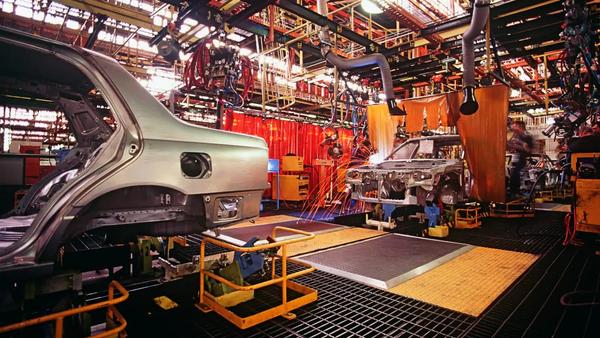
IoT in Industry: How Smart Solutions Revolutionize Production
How the Smart Factory is transforming manufacturing by improving production, quality control, and efficiency through real-time data.
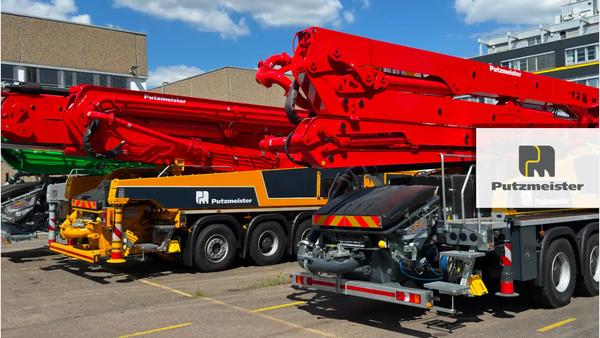
Putzmeister brings movement to special vehicle construction – with IoT tracking from SmartMakers
Putzmeister saves over 1,000 hours of search time annually with IoT tracking, paving the way for automated manufacturing in special vehicle construction.
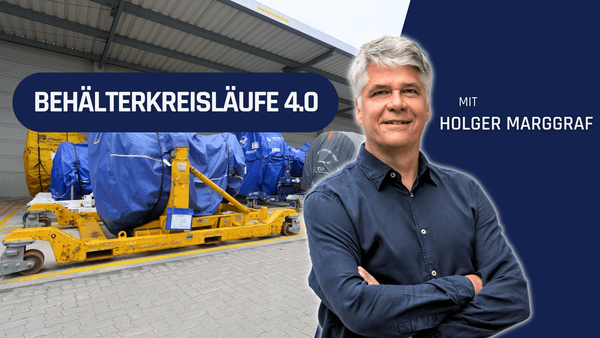
Container Cycles 4.0: How to Get a Grip on Return Logistics
In this webinar, we show you how leading companies stop the loss of reusable containers and automate the tracking of their load carriers' return logistics.