5 Ways to Optimize Cold Chain Logistics
Optimize your cold chain logistics with IoT. Increase efficiency, reduce costs, and ensure product safety.

Cold chain logistics is a central component of global trade, especially in industries where products must be stored at specific temperatures to ensure quality and safety. Whether in the pharmaceutical industry, the food sector, or healthcare, the transport and storage of temperature-sensitive goods require careful planning and continuous monitoring.
With the increasing demand for such products, companies face the challenge of optimizing their cold chain logistics to increase efficiency, minimize waste, and comply with regulatory requirements. According to a World Health Organization (WHO) report, up to 25% of pharmaceutical products in the cold chain are affected by improper handling or temperature fluctuations. This highlights how crucial optimized cold chain management and a reliable monitoring system are to ensure product integrity during transport and storage.
This article presents five actionable strategies that companies can use to improve their cold chain logistics, increase efficiency, and ensure the safety of temperature-sensitive products.
The Importance of Cold Chain Logistics
Cold chain logistics involves the transport, storage, and handling of products that must be kept at specific temperatures to maintain their efficacy and safety. Industries such as food, pharmaceuticals, and healthcare rely on reliable cold chain management to ensure that products retain their integrity throughout the distribution process.
Even slight temperature fluctuations can lead to product spoilage, waste, or non-compliance with legal regulations, which can result in significant financial losses and reputational damage.
Accurate cold chain monitoring plays a central role in ensuring that goods maintain the prescribed temperatures throughout the supply chain. Modern technologies now enable more precise monitoring, control, and optimization of cold chain logistics. The following strategies demonstrate how companies can increase the effectiveness of their cold chain logistics and minimize risks.

5 Strategies to Optimize Cold Chain Logistics
I. Utilize Cold Chain Monitoring Devices
One of the most effective measures to optimize cold chain logistics is the use of advanced monitoring devices. These enable real-time control of the temperature and condition of products, ensuring that goods remain within the intended temperature range throughout the entire transport.
- Real-time Temperature Monitoring: IoT-enabled sensors continuously capture the product temperature along the supply chain. In case of deviations, an alert is immediately triggered, allowing corrective actions to be quickly initiated.
- Environmental Monitoring: In addition to temperature, modern devices capture other relevant environmental factors such as humidity, light exposure, and air quality – particularly important for pharmaceuticals and perishable foods.
- Data Logging: Many systems store detailed records of temperature fluctuations and environmental conditions, which are indispensable for audits, compliance, and internal analyses.
- Traceability: The integration of monitoring devices enhances traceability, enables a quick response to issues, and significantly reduces the risk of product losses or damages.
II. Implement IoT Solutions for Real-time Tracking
A key step is the introduction of IoT solutions to track the location and condition of temperature-sensitive goods at any time to be able to track.
- End-to-End Visibility: IoT tracking provides complete transparency along the entire supply chain. Companies can thus avoid delays and ensure that products remain continuously within the optimal temperature range.
- Predictive Alerts: Systems immediately report when products deviate from the optimal temperature range or environmental conditions change. Proactive measures can thus be initiated directly.
- Geofencing: Virtual boundaries trigger notifications when products enter or leave certain areas. This increases control and security during transport.
- Integration with Logistics Processes: IoT solutions can be seamlessly integrated into existing logistics systems, enabling real-time decision-making and early resolution of disruptions.
III. Automate Temperature and Environmental Controls
Automated systems for cooling and climate devices reduce manual interventions and minimize the risk of human error.
- Automated Temperature Adjustment: Systems automatically regulate the ambient temperature as soon as deviations occur, maintaining the set values consistently.
- Energy Efficiency: Automation ensures that cooling devices are only active when needed, operate optimally, and thus reduce energy costs.
- Reduced Labor Costs: Employees can focus on value-added tasks while routine adjustments are made automatically.
- Reliability: Automation increases compliance with regulations and significantly reduces the risks of temperature deviations.
IV. Enhance Data Analysis for Predictive Insights
Effective data analysis is crucial to identify risks early and continuously optimize processes.
- Predictive Analytics: With machine learning, patterns can be identified and potential disruptions predicted, such as traffic, weather, or delays in the supply chain.
- Supply Chain Optimization: Bottlenecks such as customs delays or inefficient warehouse management can be identified and proactively addressed.
- Performance Monitoring: Shippers, warehouses, and suppliers can be evaluated based on temperature fidelity and punctuality to improve processes and partnerships.
- Historical Analyses: Retrospective evaluations help identify long-term trends, optimize transport routes, and minimize future risks.
V. Strengthen Cold Chain Security and Compliance
Compliance with regulatory requirements is essential in cold chain logistics, especially in industries such as pharmaceuticals, food, and healthcare. Robust security and compliance measures protect products, minimize liability risks, and contribute to regulatory compliance.
- Regulatory Compliance: Many industries are subject to strict regulations for temperature-controlled logistics. Examples include the FDA regulation 21 CFR Part 11 for pharmaceutical products or the HACCP system (Hazard Analysis and Critical Control Points) for food. Robust cold chain management systems ensure that all regulatory requirements are continuously met.
- Real-time Audits: With automated monitoring systems, digital audits can be conducted in real-time. This reduces the need for manual checks, minimizes the risk of non-compliance, and ensures that complete documentation is available for inspections or internal analyses.
- Comprehensive Security Measures: Security is a central aspect of cold chain logistics. IoT solutions offer features such as tamper alerts, geofencing, and notifications of unauthorized access, ensuring that goods are optimally protected during transport.
- Detailed Logging and Traceability: All relevant data on temperature, humidity, transport conditions, and location are continuously recorded. These logs not only support regulatory compliance but also serve quality assurance and traceability along the entire supply chain.
- Protection Against Losses and Product Spoilage: By strengthening security and compliance measures, companies can minimize the risk of product spoilage, contamination, or unauthorized access, reducing financial losses and strengthening the trust of customers and regulatory authorities.
Summary and Key Insights
Optimizing cold chain logistics is crucial for the safe transport of temperature-sensitive products. Implementing the described strategies improves efficiency, safety, and compliance:
- Deploy Cold Chain Monitoring Devices: Continuously monitor temperature, humidity, and other environmental conditions to ensure safe transport.
- IoT Solutions for Real-time Tracking: End-to-end visibility, predictive alerts, and geofencing enable smooth operations and quick responses to deviations.
- Automated Temperature and Environmental Control: Reduce human errors, ensure optimal performance of cooling devices, and lower energy costs.
- Data Analysis for Predictive Insights: Identify risks early, optimize supply chains, and make data-driven decisions.
- Strengthen Security and Compliance: Regulatory-compliant processes, real-time audits, digital logging, and comprehensive protective measures minimize product losses, ensure compliance with legal requirements, and strengthen the trust of customers and authorities.
With the growing demand for cold chain logistics, the implementation of modern technologies, especially IoT-supported solutions, is becoming increasingly important. Companies that optimize their logistics processes and intelligently utilize IoT data ensure efficiency, product safety, and cost advantages.
The Path to a More Efficient Cold Chain
Cold chain monitoring is more important than ever in pharmaceuticals, food, and healthcare. Modern cold chain IoT solutions help companies optimize logistics processes, comply with safety standards, and streamline operations. Those who adopt innovative technologies early gain a decisive competitive advantage.
Companies looking to improve their cold chain logistics should use IoT-driven solutions from SmartMakers and implement the best practices described here. Start today to ensure that your products are always transported under optimal conditions.
Read on
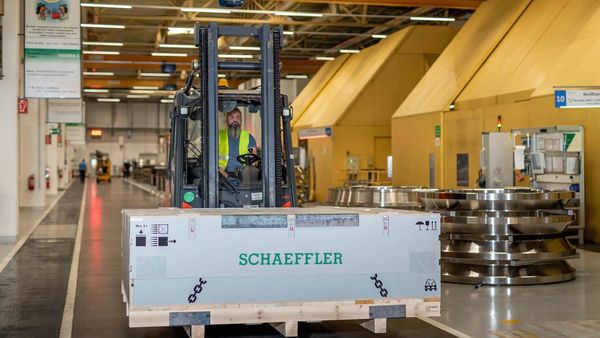
GPS-based Tracking in Large Bearing Logistics – Schaeffler Expands Smart-Box System
Introduce reusable systems for transport packaging ✓ Logistics tracking at Schaeffler ✓ Success story of successful implementation
Smartification in Logistics: Efficiency through Intelligent Technologies
Smartification enhances logistics efficiency with IoT, AI, automation, and data analytics – for better operations and lower costs.
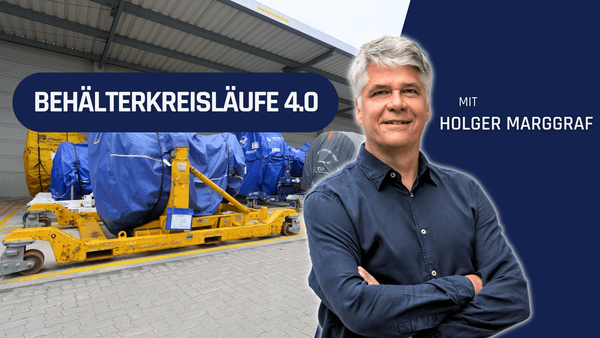
Container Cycles 4.0: How to Get a Grip on Return Logistics
In this webinar, we show you how leading companies stop the loss of reusable containers and automate the tracking of their load carriers' return logistics.