Smartification in Logistics: Efficiency through Intelligent Technologies
Smartification enhances logistics efficiency with IoT, AI, automation, and data analytics – for better operations and lower costs.
In recent years, logistics has undergone a remarkable transformation. The industry, which once relied heavily on manual processes and traditional tools, is now in the era of Smartification. This shift is driven by intelligent technologies that optimize processes, reduce costs, and improve customer satisfaction. For companies that want to remain competitive, it is crucial to understand how Smartification is changing logistics.
In this article, we explain what Smartification means for logistics, what key elements make up this transformation, and how companies like Smartmakers are making logistics smarter and more efficient.
What does Smartification mean in logistics?
Smartification refers to the integration of advanced, intelligent technologies into logistics processes to improve efficiency and decision-making. This includes the Internet of Things (IoT), artificial intelligence (AI), machine learning, automation, and data analytics. By leveraging these technologies, logistics companies can automate routine tasks, predict disruptions, and optimize routes and warehouse management.
For example, sensors on trucks or containers provide real-time data on location, temperature, or humidity. AI algorithms analyze this data and suggest the best routes or detect potential delays before they occur. This level of intelligence makes logistics processes more proactive rather than reactive.
Why is Smartification important for logistics?
The global logistics industry is under increasing pressure to deliver goods faster, more cost-effectively, and more reliably. Customer expectations are rising, and supply chains are becoming more complex. Smartification offers solutions to these challenges by:
- Improved transparency: Real-time tracking and data exchange enable better monitoring of shipments and assets.
- Optimized decision-making: Data-driven insights assist in route planning, warehouse design, and resource allocation.
- Cost reduction: Automation and predictive maintenance minimize downtime and personnel costs.
- Increased customer satisfaction: Faster deliveries and better communication enhance service quality.
By employing intelligent technologies, logistics companies can respond more quickly to changes, avoid costly errors, and make their operations more resilient.
Key elements of Smartification in logistics
Smartification is not a single technology but a combination of different elements that together transform logistics. Below, we present some important components:
1. Internet of Things (IoT)
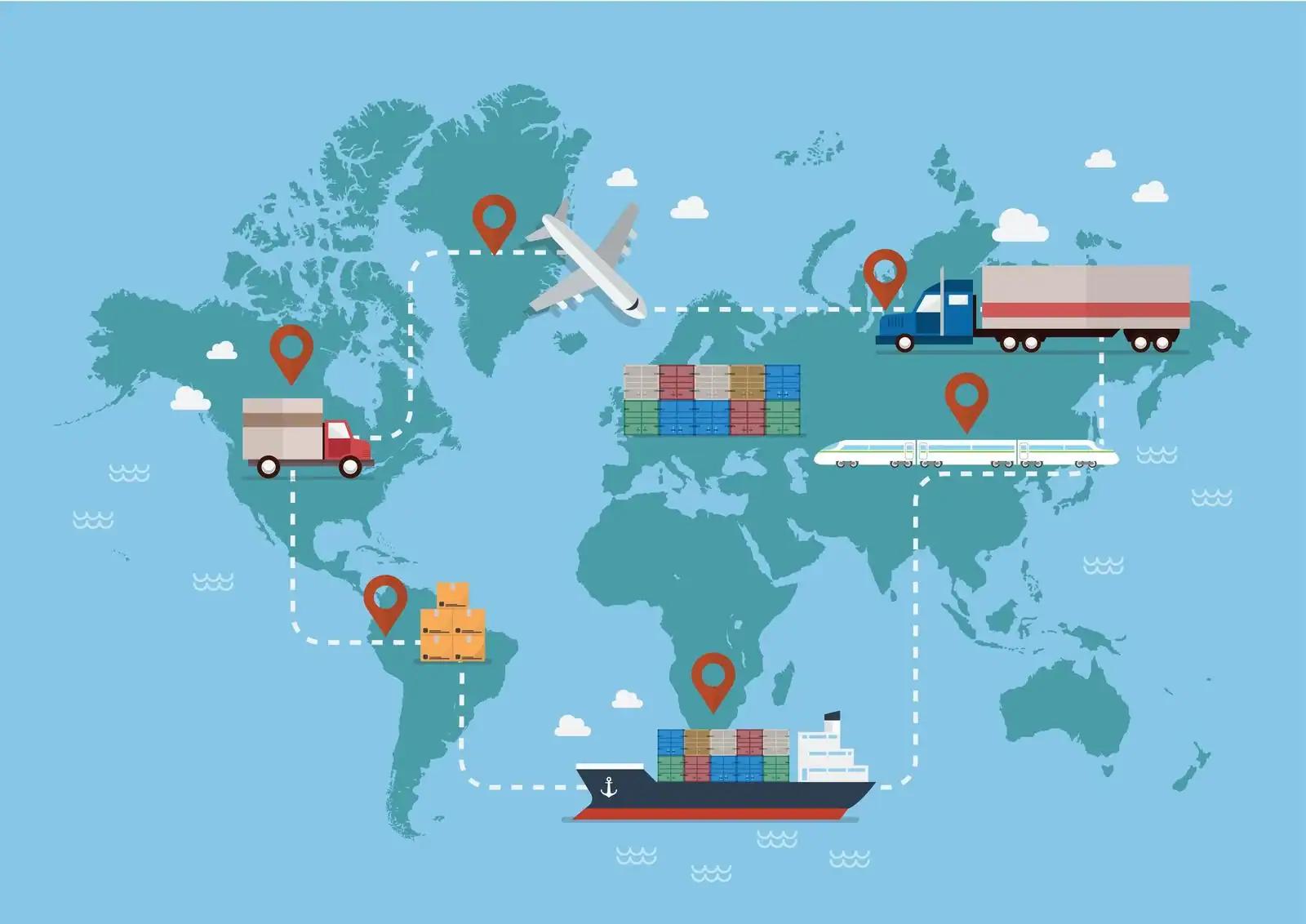
IoT devices form the backbone of smart logistics. Sensors, RFID tags, GPS Trackers, and connected cameras collect data from vehicles, cargo, and warehouses. This data is processed in central platforms to monitor the status of shipments, equipment conditions, and environmental conditions. IoT creates transparency and enables timely responses to issues.
2. Artificial Intelligence and Machine Learning
AI and machine learning analyze the large volumes of data generated by IoT and other sources. They identify patterns, forecast demand, and optimize routes based on traffic, weather, and other factors. Machine learning models continuously improve, enhancing the accuracy and quality of decisions in logistics planning.
3. Automation and Robotics
From automated guided vehicles (AGVs) in warehouses to robotic sorting systems, automation facilitates repetitive tasks. This reduces errors, speeds up processes, and frees human labor for more complex tasks. Robots also enhance safety by handling heavy or hazardous materials.
4. Data Analytics and Cloud Computing
Analytics tools convert raw data into actionable insights. Cloud platforms provide scalable storage and computing power, enabling partner collaboration and real-time data exchange. This connectivity strengthens supply chain integration.
5. Smart Software Platforms
Integrated software solutions consolidate the management of transportation, inventory, and customer orders. These systems often feature dashboards with key performance indicators (KPIs), alerts, and predictive analytics, allowing managers to efficiently monitor logistics processes.
How Smartmakers is driving Smartification in logistics
Among the pioneers of Smartification in logistics is Smartmakers. The company develops intelligent solutions specifically tailored to logistics companies, combining IoT, AI, and automation. Their products focus on:
- Real-time fleet monitoring: Providing accurate location data and vehicle diagnostics for route optimization and maintenance cost reduction.
- Warehouse automation: Utilizing robotic systems and software to accelerate and enhance order processing accuracy.
- Predictive analytics: AI-based demand forecasting, inventory management, and early detection of potential supply chain disruptions.
Smartmakers' innovative approaches help logistics service providers streamline operations, increase transparency, and gain a competitive edge in the highly competitive market.
Concrete benefits of Smartification in logistics
Companies that embrace Smartification achieve measurable improvements in their supply chains:
- Increased efficiency: Automated processes and optimized routes reduce delivery times and bottlenecks.
- Cost savings: Lower fuel consumption, reduced personnel costs, and fewer maintenance issues improve profitability.
- More transparency: Improved shipment tracking and reporting build trust with customers and partners.
- Greater flexibility: Intelligent systems quickly adapt to changes such as demand fluctuations or delays.
- Sustainability: More efficient logistics reduce the carbon footprint through better route planning and resource utilization.
These benefits ensure stronger competitiveness and sustainable success.
Challenges in implementing Smartification
Despite the clear benefits, introducing smart technologies in logistics also presents challenges:
- Initial investments: Modern technologies require costs for hardware, software, and training.
- Data security: Increased connectivity brings risks of cyberattacks and data privacy issues.
- System integration: Combining new smart tools with existing legacy systems can be complex.
- Change management: Employees may resist new processes and technologies.
- Scalability: Solutions must be able to keep pace with the company's growth.
These challenges can be overcome with careful planning, choosing suitable technology partners, and fostering an innovation-friendly corporate culture.
The future of Smartification in logistics
Looking ahead, Smartification will continue to evolve with advancements in AI, 5G connectivity, blockchain, and augmented reality. Logistics companies will benefit from:
- More autonomous operations: Self-driving trucks and drones will take over more deliveries.
- Enhanced forecasting capabilities: Even more accurate predictions will enable proactive measures.
- Stronger collaboration: Blockchain ensures secure and transparent transactions along the supply chain.
- Advanced customer experience: Real-time and personalized updates will become standard.
Adaptability and readiness for information are crucial to fully leverage these developments.
Read on

5 Ways to Optimize Cold Chain Logistics
Optimize your cold chain logistics with IoT. Increase efficiency, reduce costs, and ensure product safety.
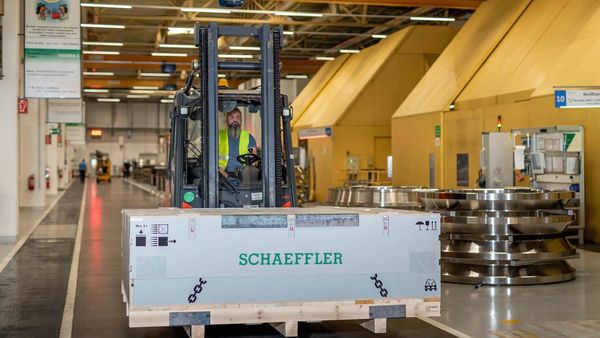
GPS-based Tracking in Large Bearing Logistics – Schaeffler Expands Smart-Box System
Introduce reusable systems for transport packaging ✓ Logistics tracking at Schaeffler ✓ Success story of successful implementation
Container Cycles 4.0: How to Get a Grip on Return Logistics
In this webinar, we show you how leading companies stop the loss of reusable containers and automate the tracking of their load carriers' return logistics.